 Dark Discoveries
Food system · 61 seconds
Foods Banned In Other Countries
Your bread might contain a yoga mat chemical. The label is not the whole story.
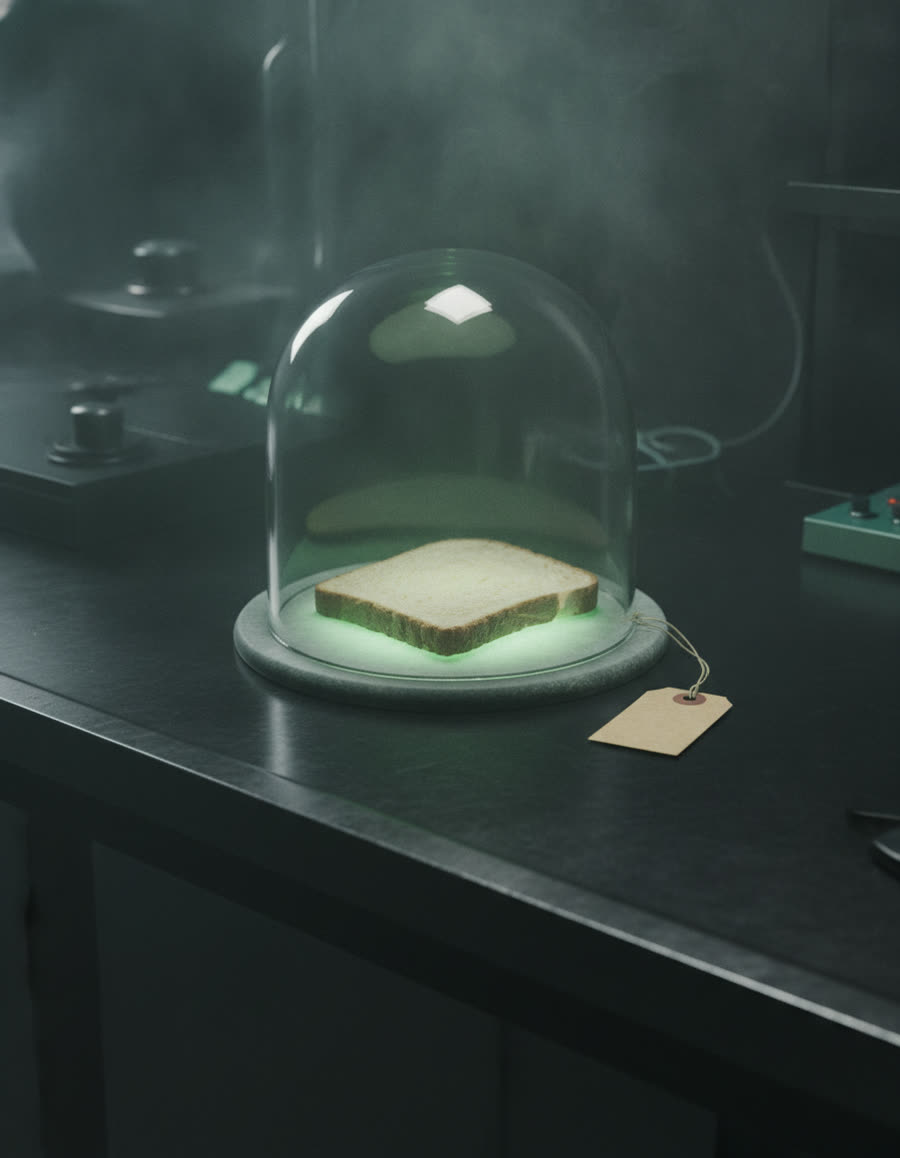
Two bread chemicals, two different reasons.
Azodicarbonamide is used as a dough conditioner and is not authorized as a food additive in the EU and Australia/New Zealand. Potassium bromate is classified by IARC as a possible human carcinogen and remains permitted in US flour under federal limits.
Source: FDA; EFSA; IARC Monographs vol. 73; 21 CFR 172.806.
Your milk may come from a hormone-treated cow.
rBST/rbGH is FDA-approved in the US, while it is not permitted in the EU, Canada, Australia, New Zealand or Japan.
Source: Health Canada 1999; EU Council Decision 1999/879/EC.
Bright dyes. Washed chicken. A different rulebook.
Six azo dyes carry a European warning about possible effects on children's activity and attention. The EU also requires potable water rather than chlorine pathogen-reduction washes for poultry, a practice used in the US.
Source: Regulation (EC) 1333/2008 Annex V; McCann et al., Lancet 2007; European Commission Regulation 853/2004.
The ingredient most people never heard of.
Ractopamine is fed in the final weeks before slaughter to increase leanness. It is prohibited or restricted in around 160 countries, including the EU, China and Russia, while permitted in the US. One small human study reported increased heart rate and cardiac output.
Source: FDA NADA 140-863; Codex; EFSA Journal 2009; 1041.
Which one surprised you?
The point is not panic. It is knowing which rules changed where — and why.
Source: claim-by-claim fact sheet in banned-foods.facts.md.
Get the next file
FAQ
Are all of these foods illegal in America?
No. The page describes ingredients that are restricted, warned about or handled differently across jurisdictions.
Does “banned elsewhere” prove something is unsafe?
No. Regulation reflects evidence, policy and risk thresholds; check the cited source for the exact claim.